
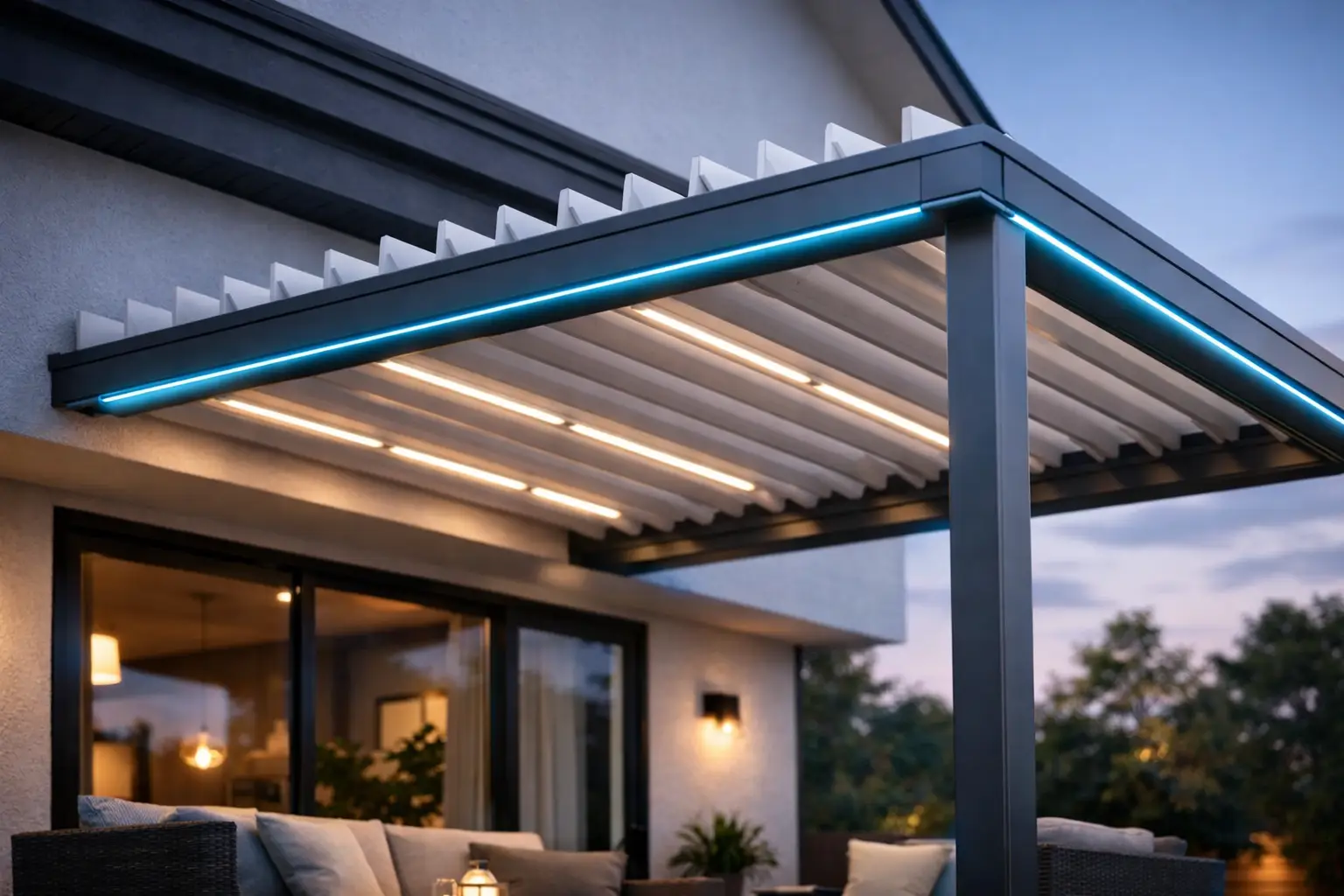
A pergola that looks elegant on a rendering can become a liability fast if the connection to the house is treated like an afterthought. With pergola attachment to house methods, the real question is not simply how to connect it – it is how to connect it safely, cleanly, and in a way that respects both the architecture and the weather exposure of the home.
For Florida homeowners, that question carries more weight. Salt air, wind uplift, driving rain, and strict permitting standards change the conversation. The right attachment method is not just about appearance. It affects structural performance, waterproofing, maintenance, and whether your new outdoor living space feels like a true extension of the home or a compromise bolted onto the back wall.
Why pergola attachment to house methods matter
Attached pergolas appeal to homeowners for good reason. They create a more integrated transition from interior living areas to the patio, pool deck, or lanai. They can improve shade coverage near the home, support lighting and motorized features more efficiently, and often deliver a more architectural look than a separate structure placed farther into the yard.
But attachment adds complexity. Once a pergola ties into the home, it is no longer only a shade structure. It becomes part of a larger system involving the wall assembly, foundation loads, drainage paths, rooflines, and local code requirements. A poor attachment detail can lead to water intrusion, movement over time, or unnecessary stress on the home itself.
That is why the best method depends on the house, not just the pergola.
The main pergola attachment to house methods
There are several ways to approach an attached pergola, and each serves a different condition.
Wall-mounted attachment
A wall-mounted pergola connects directly to the exterior wall of the house with engineered brackets or structural mounting points. This is often the cleanest visual option because it creates a tight, deliberate connection that feels built in rather than added later.
When designed correctly, wall-mounted systems work well for homes with the right structural backing and enough clearance for drainage, flashing, and proper load transfer. The key phrase there is designed correctly. The outer wall finish alone is not what carries the load. The connection must engage structural components inside the wall assembly and account for uplift, lateral movement, and long-term exposure.
This method can be attractive for contemporary homes where a streamlined profile matters. It may also allow better integration of motorized louvers, lighting, and shades because the structure aligns closely with the home.
The trade-off is that not every exterior wall is an ideal candidate. Some facades complicate waterproofing. Some overhangs or architectural details interfere with proper placement. And if the house was not built with this kind of connection in mind, engineering becomes even more important.
Ledger-based attachment
A ledger-style connection uses a structural member secured to the house, with the pergola frame attaching to that member. This method is common in outdoor structures because it creates a defined mounting plane and can simplify alignment.
In principle, it is straightforward. In practice, ledger attachment is only as good as the engineering behind it. Fastener selection, spacing, substrate condition, flashing details, and load calculations all matter. In high-wind regions, this is not a place for assumptions.
A ledger approach can be effective when the home’s structure supports it and when the wall assembly can be detailed to manage water correctly. It can also help distribute loads more consistently along the attachment area. Still, a ledger is not automatically the best answer for every luxury home, especially where preserving the envelope and exterior finish is a priority.
Roof-mounted or fascia-related approaches
Some homeowners ask whether a pergola can be attached near the roof edge or fascia line. The answer is usually: it depends, and caution is warranted.
Roof-adjacent attachment may sound convenient, but those areas are often not intended to carry the kinds of structural loads a pergola introduces. Even when a connection is technically possible, it may complicate waterproofing, create maintenance challenges, or place stress in areas that are better left undisturbed.
For premium pergola projects, this method is often less desirable unless a qualified engineer has confirmed a very specific structural solution. What looks efficient on paper can become expensive if it affects the roof system or introduces leak risk later.
Hybrid attached-freestanding design
In many cases, the smartest option is a hybrid approach. The pergola appears attached to the house and aligns closely with it, but some or most of the structural loads are carried by its own posts and footings rather than relying heavily on the home.
This method can offer the best balance of architectural integration and structural independence. It may reduce stress on the home, simplify certain waterproofing concerns, and still give the finished project the polished, custom look homeowners want.
For Florida properties, this is often a strong answer because it acknowledges the reality of wind loads and storm exposure. Rather than asking the house to do too much, the pergola system is engineered to stand with more autonomy while still functioning as a connected living space.
What determines the right method
The correct attachment strategy starts with the home’s construction and site conditions. A flat rear elevation with accessible structural backing presents a different opportunity than a multi-story wall with complex trim, limited clearance, and a pool deck directly below.
Wind exposure is another major factor. A property near the coast may require a more conservative design approach than a similarly sized home farther inland. This is especially true when the pergola includes advanced features such as motorized louvers or retractable shades, which change how the structure behaves under load.
Drainage also matters more than many homeowners expect. Any attachment point near the home has to respect water flow. If the pergola interrupts drainage patterns or is installed without proper detailing, the result can be staining, trapped moisture, or intrusion into the building envelope.
Then there is permitting. In Florida, municipalities and inspectors tend to look closely at attached structures because they interact directly with the residence. Engineering documents, wind-load calculations, and code-compliant installation details are not optional extras on serious projects. They are part of doing the job correctly.
Why attached is not always better
Homeowners often assume an attached pergola is the premium choice. Sometimes it is. Sometimes a freestanding pergola placed inches away from the home is the more sophisticated solution.
That may sound counterintuitive, but a near-attached design can preserve the visual connection without introducing unnecessary penetrations into the house. It can also give the installer more flexibility with footings, alignment, and load management. From a finished appearance standpoint, the difference may be negligible. From a performance standpoint, the difference can be significant.
This is where experienced design-build guidance matters. The best result is not the method that sounds most permanent. It is the method that delivers the right look, structural reliability, and long-term confidence for that specific property.
Engineering, aesthetics, and the Florida factor
In high-end outdoor living, structure and appearance should never compete. The attachment detail has to disappear visually while performing exceptionally behind the scenes.
That is especially true in Florida, where premium pergolas are expected to do more than provide shade. They often include louvers for rain control, integrated lighting for evening entertaining, and screens or shades for added comfort. Those upgrades elevate the experience, but they also place greater demands on the frame and connection points.
A well-executed attachment method considers all of it from the start. It plans for movement, load, drainage, finish protection, and service access. It also respects the architecture of the home. On a luxury property, exposed improvisation is never acceptable. The pergola should look intentional, balanced, and engineered to belong there.
That is why a concierge-style process has real value. When a pergola company handles design, engineering, permitting, and installation as one coordinated effort, the attachment method is solved in context rather than guessed at in the field. For homeowners investing in a premium system, that level of control reduces risk and protects the result.
Choosing a contractor for pergola attachment to house methods
If you are comparing builders, ask a simple question: how do you determine the right attachment method for my home? A serious contractor should talk about structure, wind loads, drainage, permitting, and finish integration before talking about appearance alone.
You should also expect clarity on who handles engineering and permits, how the attachment will affect the exterior envelope, and whether there is a better alternative if direct attachment is not ideal. Confidence is good. Specifics are better.
For upscale homes in coastal and storm-prone areas, the safest choice is usually a specialist with proven experience in engineered aluminum pergola systems rather than a general installer trying to adapt on the fly. That is where performance, warranty protection, and design credibility start to align.
The best pergola attachment is the one you never have to worry about. It looks refined, performs under pressure, and lets you enjoy the space the way it was intended – comfortably, confidently, and year after year.